Spring Cleaning Your Health
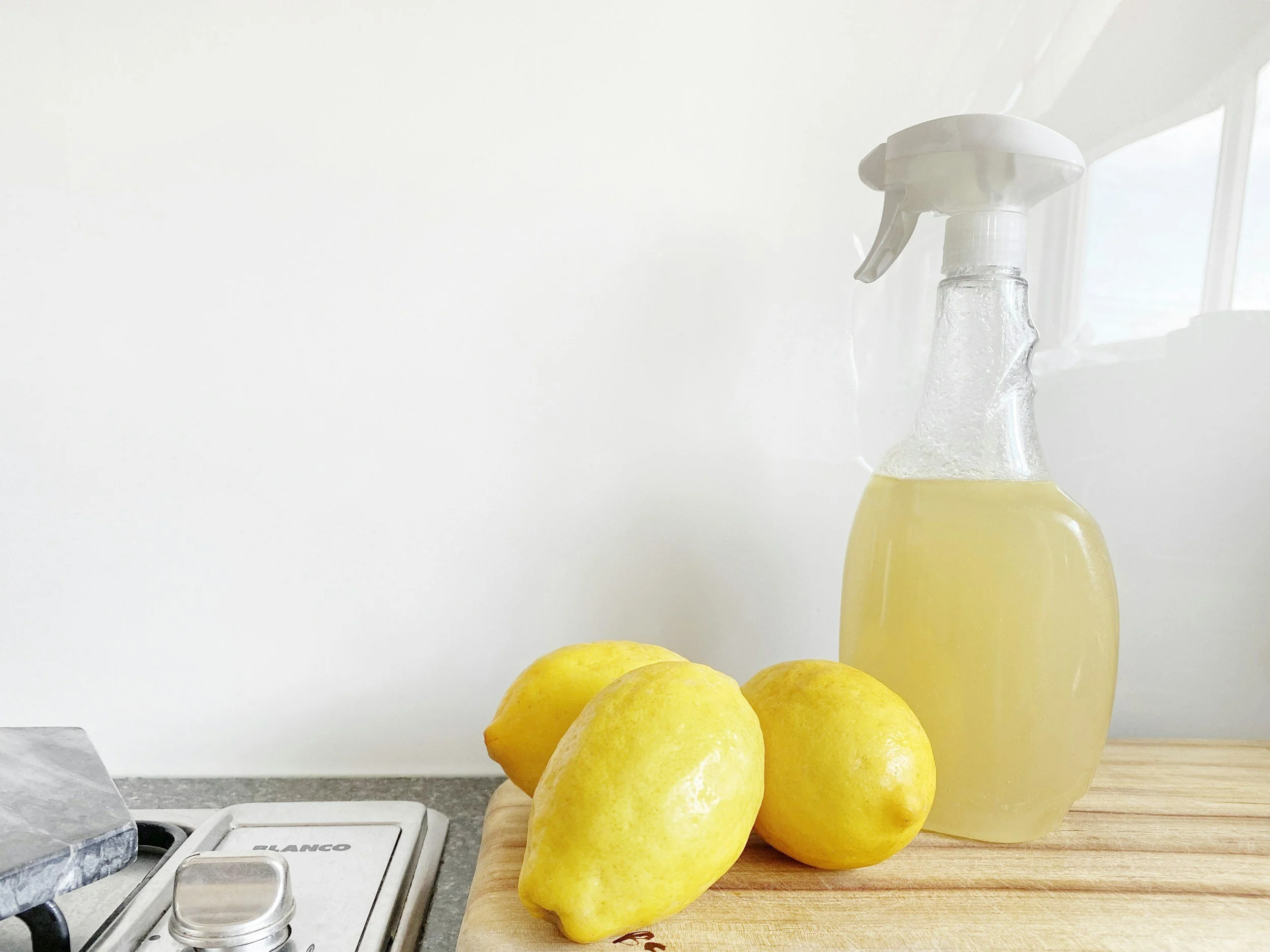
Detoxing Home and Body for the New Season
Last spring, I was on my hands and knees scrubbing the bathroom floor with some heavy-duty cleaner, feeling incredibly productive and virtuous about my deep-cleaning efforts. The smell was so strong it made my eyes water, but I figured that meant it was working, right? Killing all those germs, getting everything properly clean.
Then I stood up too fast and got dizzy. My chest felt tight. I opened all the windows, but that headache stuck around for hours.
That night, I got curious and started researching those products I used for the cleaning. I went down a research rabbit hole that completely changed how I think about "clean." Turns out, the products I was using to make my home healthier were actively damaging my health. And not in some vague "chemicals are bad" way—in a very specific, measurable, scientifically documented way that particularly affects women's bodies.
Spring cleaning season is here, and we're all feeling that urge to purge, refresh, and reset after winter. But maybe before we start spraying chemical cleaners everywhere and jumping into another trendy "detox," we should talk about what actually supports your body's natural detoxification systems and what secretly undermines them.
The Cleaning Product Study You Need to Know About
Here's something that should be front-page news but barely made a ripple: a 20-year European study tracking over 6,000 people found that women who clean regularly—whether at home or professionally—experience lung function decline equivalent to smoking nearly 20 cigarettes a day [1].
Read that again. Using standard household cleaning products just once a week for 20 years damaged women's lungs as much as smoking a pack a day.
But here's the part that really gets me: the study found these effects in women, but not in men. Men who cleaned regularly showed no significant lung function decline. Women's lungs were specifically vulnerable to the chemical irritants in cleaning products.
Why? Women's airways are proportionally smaller, which means the same exposure to airborne particles creates more concentrated damage. Women also tend to have more reactive airways and are more susceptible to chemical sensitization. Plus, women do the vast majority of cleaning—both domestic and professional—meaning longer, more frequent exposure.
The study measured forced expiratory volume (FEV1) and forced vital capacity (FVC)—basically, how much air your lungs can move and how efficiently. Women who cleaned at home saw their FEV1 decline 3.6 ml/year faster than women who didn't clean. Professional cleaners declined 3.9 ml/year faster. That might not sound like much, but over 20 years, it's the difference between normal aging and compromised respiratory function.
The researchers theorize that the irritating chemicals—ammonia, chlorine bleach, quaternary disinfectant compounds, and volatile organic compounds in spray cleaners—cause chronic low-level inflammation in the airways. Day after day, year after year, this inflammation leads to airway remodeling and permanent lung damage.
So maybe we should rethink what "spring cleaning" means before we spray our way into respiratory disease.
What Detoxification Actually Means (Hint: Not Juice Cleanses)
The wellness industry has made "detox" synonymous with juice fasts, colon cleanses, and overpriced supplements that promise to purge "toxins" from your body. But your body already has sophisticated, highly effective detoxification systems that work 24/7: your liver, kidneys, lungs, skin, lymphatic system, and digestive tract.
These systems don't need to be "cleansed" or "reset." They need to be supported. And ironically, many trendy detox protocols actually impair your natural detoxification capacity.
Your liver processes everything you ingest, inhale, or absorb through your skin, transforming fat-soluble toxins into water-soluble compounds that can be excreted. This process requires specific nutrients: B vitamins, amino acids from protein, sulfur compounds, antioxidants like glutathione, and adequate hydration. Juice cleanses that eliminate protein and restrict calories actually compromise liver detoxification by depriving it of necessary building blocks.
Your kidneys filter your blood continuously, removing waste products and excess substances while maintaining precise electrolyte balance. They need adequate hydration and blood flow to function optimally. Extreme detox protocols that cause dramatic fluid shifts or electrolyte imbalances can actually strain kidney function.
Your lungs are your primary detoxification organ for airborne toxins—exhaling carbon dioxide and volatile compounds with every breath. They're also incredibly vulnerable to chemical damage, as we just discussed. Supporting lung health means reducing exposure to airborne irritants, not just addressing what you eat or drink.
Your lymphatic system is your body's drainage network, moving fluid and immune cells throughout your tissues and eliminating cellular waste. Unlike your circulatory system, it doesn't have a pump—it relies on movement, breathing, and muscle contraction to function. Sedentary lifestyles impair lymphatic drainage more than any "toxin buildup."
Real detoxification isn't about extreme interventions. It's about reducing your toxic load while supporting your body's natural elimination processes. And that starts with your immediate environment.
The Home Detox: What Actually Matters
Air Quality: The Most Overlooked Factor
Indoor air quality is typically 2-5 times worse than outdoor air quality, and in some cases up to 100 times worse [2]. We spend approximately 90% of our time indoors, breathing air contaminated with volatile organic compounds (VOCs) from furniture, carpets, paint, and yes, cleaning products.
VOCs contribute to headaches, fatigue, respiratory irritation, and over time, more serious health effects. Women are particularly vulnerable because we tend to spend more time in homes, do more cleaning, and have more reactive respiratory systems.
The solution isn't fancy air purifiers (though they can help). The primary intervention is source reduction—eliminating or reducing the products releasing VOCs in the first place.
Cleaning Without Chemicals
The Norwegian researchers behind the lung function study stated explicitly: "These chemicals are usually unnecessary; microfiber cloths and water are more than enough for most purposes." That's not crunchy granola advice—that's evidence-based medicine.
For actual disinfection (which you need far less often than you think), steam cleaning kills 99.9% of bacteria and viruses without any chemicals. For daily cleaning:
Glass and mirrors: Water and microfiber cloth
Countertops: Diluted castile soap or simple dish soap and water
Floors: Hot water with a small amount of castile soap; vinegar for tile
Bathrooms: Baking soda as a gentle abrasive; vinegar for soap scum and mineral deposits
Kitchen grease: Dish soap and hot water, or baking soda paste for tough spots
If you need commercial products, look for ones certified by third-party organizations that actually test for safety (not just marketing claims). Better yet, make your own. Baking soda, white vinegar, castile soap, and essential oils for scent can handle 95% of household cleaning.
The Plastic Problem
Most people focus on BPA, which is important but just one of many endocrine-disrupting chemicals (EDCs) in plastics. Phthalates, used to make plastics flexible, leach into food and drinks, particularly when heated. They're also in fragranced products, including most cleaning supplies, air fresheners, and personal care products.
EDCs interfere with hormone function, which particularly affects women's bodies due to our complex hormonal systems. They're linked to reproductive issues, thyroid dysfunction, metabolic problems, and increased breast cancer risk [3].
Spring cleaning your plastics doesn't mean throwing everything away tomorrow. It means strategic replacement over time:
Glass or stainless steel food storage instead of plastic containers
Glass or stainless steel water bottles instead of plastic
Storing and reheating food in glass, never plastic
Choosing fragrance-free products or those scented with pure essential oils
Avoiding products with "fragrance" on the ingredient list (this is code for phthalates)
EMF Exposure: The Invisible Load
Electromagnetic fields from WiFi, cell phones, and electronic devices are controversial in wellness circles, with claims ranging from evidence-based concerns to outright pseudoscience. The reality is somewhere in between.
While you don't need to live in a Faraday cage, some practical measures make sense: phone on airplane mode at night, router on a timer to turn off while sleeping, keeping phones away from your body (not in bras or pockets directly against skin), and taking regular breaks from screens.
The bigger issue is that screens disrupt circadian rhythms through blue light exposure, which affects sleep quality and hormonal regulation. Your body's detoxification processes are most active during deep sleep—anything that impairs sleep quality impairs detoxification.
The Body Detox: Supporting Your Natural Systems
Nutrition for Liver Support
Your liver performs over 500 functions, including processing hormones, medications, environmental toxins, and metabolic waste products. Supporting optimal liver function through nutrition is far more effective than any liver "cleanse."
Cruciferous vegetables (broccoli, cauliflower, Brussels sprouts, cabbage, kale) contain compounds that support both phases of liver detoxification. Sulforaphane specifically enhances glutathione production, your body's master antioxidant and primary detoxification molecule.
Quality protein provides amino acids necessary for glutathione synthesis and liver enzyme production. Contrary to detox myths, your liver needs protein to function optimally. Restricting protein during "detox" protocols actually impairs detoxification capacity.
Bitter foods (dandelion greens, arugula, endive, radicchio) stimulate bile production. Bile is essential for fat digestion and the elimination of fat-soluble toxins. Many modern diets lack bitter foods entirely, which may contribute to sluggish digestion and impaired toxin elimination.
Adequate hydration is necessary for kidney function and lymphatic flow. But hydration isn't just about water—it's about electrolyte balance. Plain water without adequate mineral intake can actually dilute electrolytes. Include mineral-rich foods or add a pinch of good quality salt to your water.
Strategic Supplementation
Most people don't need specialized detox supplements, but some nutrients support detoxification processes that are commonly deficient:
N-acetylcysteine (NAC) is a precursor to glutathione and supports both liver detoxification and respiratory health. Given the lung function data on cleaning products, NAC may be particularly important for women who clean regularly.
Magnesium is involved in over 300 enzymatic reactions, including many detoxification pathways. Most women are deficient due to depleted soil, stress, and inadequate dietary intake. Magnesium glycinate is well-absorbed and doesn't cause digestive upset.
B vitamins, particularly B12, B6, and folate, are essential for methylation—a crucial detoxification pathway. Genetic variations (like MTHFR mutations) can impair methylation, making supplementation with active forms (methylcobalamin, methylfolate, P5P) beneficial for some women.
Omega-3 fatty acids support cell membrane health, which affects how efficiently cells eliminate waste and resist damage from environmental toxins. They also have anti-inflammatory effects that help counter the chronic inflammation caused by toxin exposure.
Movement for Lymphatic Drainage
Your lymphatic system is the sewage system for your cells, but unlike blood circulation, it has no central pump. It depends entirely on movement, breathing, and muscle contraction to flow.
Sedentary lifestyles create lymphatic stagnation, impairing the removal of cellular waste and contributing to inflammation, fluid retention, and immune dysfunction. The good news? Any movement helps.
Walking creates rhythmic muscle contraction that propels lymphatic fluid. Aim for regular movement throughout the day rather than one intense workout followed by hours of sitting.
Rebounding (bouncing on a mini trampoline) is particularly effective for lymphatic stimulation due to the gravitational forces created by bouncing. Even 5-10 minutes daily makes a difference.
Dry brushing manually stimulates lymphatic flow through the skin. Brush toward your heart using long strokes before showering. The benefits are modest but real, and it feels good.
Yoga and stretching combine movement with focused breathing, supporting both lymphatic drainage and nervous system regulation. Inversions (even simple ones like legs up the wall) reverse gravitational flow and can help drain fluid from lower extremities.
Deep breathing is often overlooked but incredibly powerful. Your diaphragm acts as a pump for lymphatic fluid in your core. Deep, belly breathing creates pressure changes that enhance lymphatic flow while simultaneously supporting vagal tone and stress regulation.
Sauna and Heat Therapy
Sweating is a legitimate detoxification pathway. Your skin eliminates various toxins including heavy metals, BPA, phthalates, and other environmental chemicals [4].
Infrared saunas penetrate deeper into tissue than traditional saunas and operate at lower temperatures, making them more comfortable for longer sessions. Regular sauna use (3-4 times weekly) has been associated with reduced inflammation, improved cardiovascular health, and enhanced detoxification.
If you don't have sauna access, hot baths work too, though less efficiently. Add Epsom salts (magnesium sulfate) for additional magnesium absorption and support of sulfur-dependent detoxification pathways.
One caveat: if you have significant toxic burden, starting with intense sauna protocols can mobilize toxins faster than your body can eliminate them, causing flu-like symptoms. Start slowly—10-15 minutes at moderate temperature—and increase gradually as your body adapts.
The Circadian Detox: Timing Matters
Your detoxification systems don't operate at consistent levels 24/7—they follow circadian rhythms, with specific organs and processes being most active at different times.
Liver detoxification peaks between 1-3 AM, which is why sleep disruption impairs detoxification capacity. Deep sleep is when your liver does its heaviest processing. If you're consistently waking up between 1-3 AM, it might indicate liver stress or inadequate support for detoxification processes.
Kidney function follows circadian patterns, with different filtration rates throughout the day. Drinking most of your water during daylight hours rather than chugging it before bed supports natural kidney rhythms and prevents sleep disruption from nighttime urination.
Lymphatic drainage is enhanced during sleep, particularly deep sleep. Your brain has its own lymphatic-like system (the glymphatic system) that clears metabolic waste during sleep. Poor sleep literally prevents your brain from taking out the garbage.
The gut microbiome has circadian rhythms that affect everything from nutrient absorption to immune function to mood regulation. Irregular meal timing and late-night eating disrupt these rhythms, impairing gut health and, consequently, detoxification.
Supporting natural circadian rhythms enhances every detoxification pathway in your body:
Consistent sleep-wake timing (including weekends)
Morning light exposure within 30-60 minutes of waking
Dim lighting in evening hours (2-3 hours before bed)
Regular meal timing with most calories earlier in the day
Exercise earlier in the day rather than late evening
Temperature drop in evening (cooler bedroom, warm bath 90 minutes before bed)
Stress, Cortisol, and Toxin Processing
Chronic stress impairs detoxification through multiple pathways. Elevated cortisol redirects blood flow away from digestive and detoxification organs toward muscles (preparing for fight-or-flight). It impairs liver function, disrupts gut microbiome balance, and creates systemic inflammation that interferes with toxin processing.
Additionally, stress increases the permeability of your gut lining (leaky gut), allowing larger molecules—including bacterial toxins and incompletely digested food particles—to enter your bloodstream. This creates additional burden on your detoxification systems, which are already compromised by stress.
The most effective "detox" many women could do is stress reduction:
Vagal tone exercises: Humming, gargling, cold water on face, deep breathing all stimulate the vagus nerve and activate parasympathetic (rest-and-digest) nervous system function
Adaptogenic herbs: Ashwagandha, rhodiola, and holy basil help buffer stress responses and support adrenal function
Regular downtime: Not productivity, not self-improvement, just actual rest and enjoyment
Boundaries: Saying no to commitments that drain you, limiting news consumption, protecting sleep and mealtimes
You cannot detox your way out of chronic stress. The toxic load of a stressful lifestyle exceeds what any supplement or protocol can address.
The Hormone Connection
Many environmental toxins are endocrine disruptors—they interfere with hormone production, metabolism, and signaling. This particularly affects women because our hormonal systems are more complex and sensitive.
Estrogen dominance (too much estrogen relative to progesterone) is increasingly common, partly due to exposure to xenoestrogens (synthetic compounds that mimic estrogen) in plastics, personal care products, and pesticides. Supporting estrogen metabolism and elimination becomes crucial:
Cruciferous vegetables containing DIM (diindolylmethane) support healthy estrogen metabolism
Adequate fiber (30-35g daily) binds excess estrogen in the gut for elimination
Supporting gut health prevents reabsorption of estrogen that should be eliminated
Reducing xenoestrogen exposure through personal care and household product choices
Thyroid disruption from chemicals in flame retardants, pesticides, and plastics can interfere with thyroid hormone production and conversion. Supporting thyroid function during spring "detox":
Adequate iodine (from seaweed, fish, iodized salt)
Selenium (from Brazil nuts, fish, eggs)
Avoiding soy isolates and excessive cruciferous vegetables raw (light cooking deactivates goitrogens)
Managing stress to prevent thyroid hormone resistance
The 30-Day Spring Refresh Protocol
Instead of extreme detoxing, try a sustainable 30-day refresh that actually supports your body's natural systems:
Week 1: Reduce Toxic Load
Replace one conventional cleaning product with a non-toxic alternative
Switch one plastic food storage container to glass
Choose fragrance-free versions of personal care products
Open windows daily for fresh air circulation
Week 2: Support Detox Pathways
Add one serving of cruciferous vegetables daily
Increase water intake (aim for half your body weight in ounces)
Take a 20-minute walk daily for lymphatic stimulation
Begin taking NAC and magnesium supplements
Week 3: Optimize Circadian Rhythms
Establish consistent sleep-wake timing
Get morning sunlight within 1 hour of waking
Dim lights 2 hours before bed
Eat dinner 3 hours before bedtime
Week 4: Stress Management Integration
Practice 10 minutes of deep breathing daily
Try one sauna or hot bath with Epsom salts weekly
Implement one boundary that protects your energy
Reflect and plan which practices to maintain long-term
What "Clean" Really Means
That dizzy, headache-inducing cleaning session last spring taught me something important: clean shouldn't make you feel sick. If your eyes are watering and your chest feels tight, that's not cleanliness—that's chemical exposure.
Real cleanliness isn't about sterility or the absence of every microbe. It's about creating an environment that supports rather than undermines health. It's about reducing unnecessary chemical exposure while supporting your body's remarkable ability to process, adapt, and recover.
Spring cleaning your health isn't about seven-day juice fasts or expensive detox supplements. It's about the unsexy, practical work of examining your environment and habits, identifying what's actually serving you versus what's marketing hype, and making sustainable changes that support your body's natural detoxification systems.
It's about understanding that as women, we face specific vulnerabilities—smaller airways that concentrate airborne toxins, more reactive respiratory systems, hormonal complexity that makes us susceptible to endocrine disruptors, and the reality that we do most of the cleaning and therefore have the most exposure.
This spring, instead of spending money on detox teas and elimination diets, maybe invest in glass food storage containers, non-toxic cleaning supplies, and a good water filter. Take walks for lymphatic drainage instead of signing up for another cleanse. Open your windows. Eat real food with plenty of vegetables. Sleep consistently. Manage your stress.
Your body is already detoxifying. It doesn't need to be "cleansed"—it needs to be supported. And unlike trendy detoxes that you do for a week and abandon, these changes build on themselves, creating long-term improvements in how you feel and how well your body functions.
The research is clear: the biggest threat to women's respiratory health isn't failing to detox—it's the products we use to clean our homes. The best thing you can do this spring isn't another elimination diet—it's eliminating the toxic products that your body has been trying to eliminate for years.
Sometimes the most revolutionary act of self-care is refusing to spray poison in your home while calling it "clean." Sometimes spring cleaning your health means doing less—fewer products, fewer chemicals, fewer interventions—and trusting your body's intelligence to do what it's been designed to do all along.
Now if you'll excuse me, I have some spring cleaning to do. With hot water and microfiber cloths. My lungs will thank me.
References
[1] Svanes, Ø., Bertelsen, R. J., Lygre, S. H., Carsin, A. E., Antó, J. M., Forsberg, B., ... & Svanes, C. (2018). Cleaning at home and at work in relation to lung function decline and airway obstruction. American Journal of Respiratory and Critical Care Medicine, 197(9), 1157-1163.
[2] Environmental Protection Agency. (1989). Report to Congress on indoor air quality: Volume 2. EPA/400/1-89/001C. Washington, DC: U.S. Environmental Protection Agency.
[3] Gore, A. C., Chappell, V. A., Fenton, S. E., Flaws, J. A., Nadal, A., Prins, G. S., ... & Zoeller, R. T. (2015). EDC-2: The Endocrine Society's second scientific statement on endocrine-disrupting chemicals. Endocrine Reviews, 36(6), E1-E150.
[4] Genuis, S. J., Birkholz, D., Rodushkin, I., & Beesoon, S. (2011). Blood, urine, and sweat (BUS) study: Monitoring and elimination of bioaccumulated toxic elements. Archives of Environmental Contamination and Toxicology, 61(2), 344-357.
[5] Xie, L., Kang, H., Xu, Q., Chen, M. J., Liao, Y., Thiyagarajan, M., ... & Nedergaard, M. (2013). Sleep drives metabolite clearance from the adult brain. Science, 342(6156), 373-377.