Your 28-day Cycle
I spent the better part of my twenties thinking my body was unpredictable. One week sharp and focused, the next week foggy and tender — craving different food, needing more sleep, finding the same social situation that felt easy a fortnight ago now unexpectedly exhausting. It took years before I understood that what I was experiencing was not randomness. It was a programme. A 28-day biological programme that was running, flawlessly, every single month. Nobody gave me a map. So I built one.
Spring Herbs II
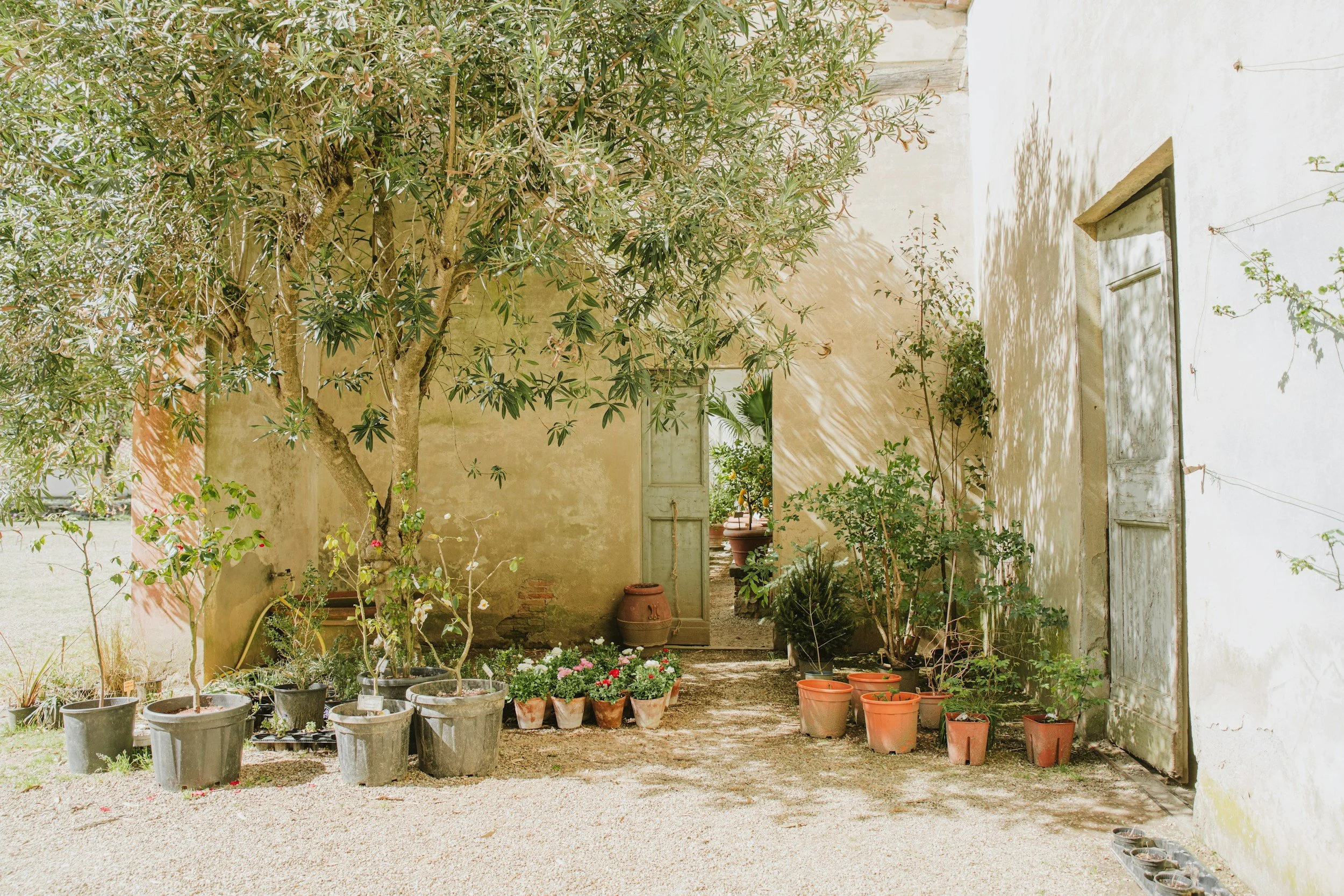
There was a corner of my grandfather's garden that got the most afternoon sun. That was where the basil lived. Next to it, coriander gone to seed. Thyme along the stone border. And somewhere, tucked in where you might not notice it, a small cluster of something soft and lemon-scented that his wife picked for tea in the evenings. I didn't know then what that tea was doing. Now I do. Part II of the spring herbs series, and the most personal one yet.
Spring Herbs I
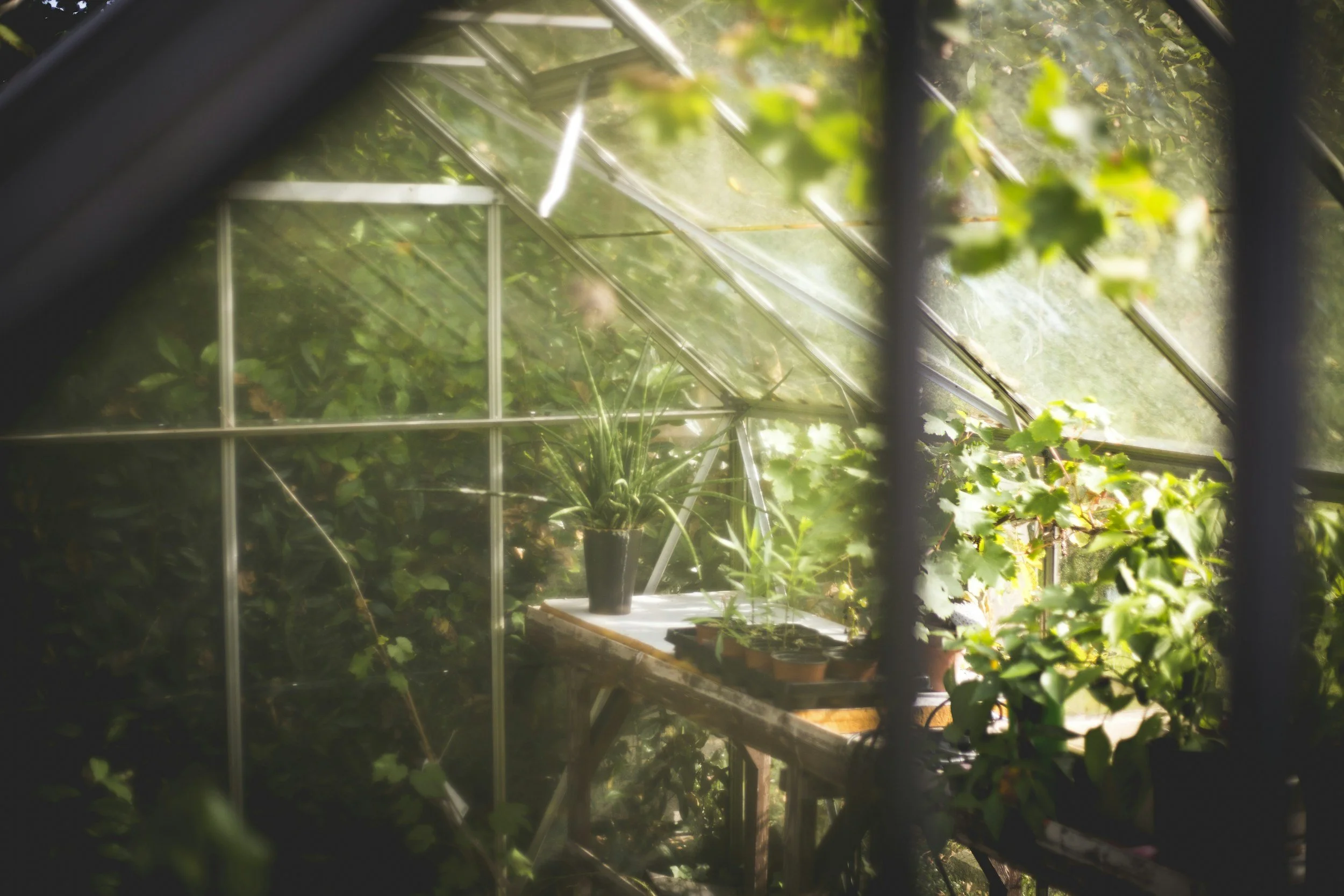
You could smell it before you saw it. My grandfather's garden in Turkey announced itself long before you arrived, mint first, then dill, then parsley, then rosemary underneath it all. He knew something I've spent years arriving at through research: these plants are not garnishes. They are medicine in the most practical, everyday sense. Here's what the science says about five spring herbs, and one plant most people throw away.
Seasonal Allergies in Women
Seasonal allergies aren’t just bad luck—hormones, gut health, and immune regulation play a major role in how women experience symptoms. This post explains why allergies hit women differently and shares evidence-based natural strategies that actually reduce inflammation instead of just masking symptoms.