The Inflammation Report Card II
The symptoms in Part I were loud, acne, breakouts, dullness. The symptoms here are quieter. Puffiness you attribute to bad sleep. Under-eye circles that are just permanent now. Skin that no moisturiser quite fixes. These are easier to dismiss. They are also, for many women, the first signs of something significant shifting internally, arriving years before anyone suggests investigating why. Part II decodes them, and closes with the complete report card to save, share, and return to.
Spring Herbs II
There was a corner of my grandfather's garden that got the most afternoon sun. That was where the basil lived. Next to it, coriander gone to seed. Thyme along the stone border. And somewhere, tucked in where you might not notice it, a small cluster of something soft and lemon-scented that his wife picked for tea in the evenings. I didn't know then what that tea was doing. Now I do. Part II of the spring herbs series, and the most personal one yet.
The Inflammation Report Card I
You have tried the serums. You have tried cutting dairy, cutting sugar, drinking more water. You have stood in front of the mirror trying to figure out what is happening to your skin, and come away with more products and very few answers. That is because the skincare industry is very good at selling solutions and very quiet about causes. Here is what the research actually says about what your skin is trying to tell you.
Spring Herbs I
You could smell it before you saw it. My grandfather's garden in Turkey announced itself long before you arrived, mint first, then dill, then parsley, then rosemary underneath it all. He knew something I've spent years arriving at through research: these plants are not garnishes. They are medicine in the most practical, everyday sense. Here's what the science says about five spring herbs, and one plant most people throw away.
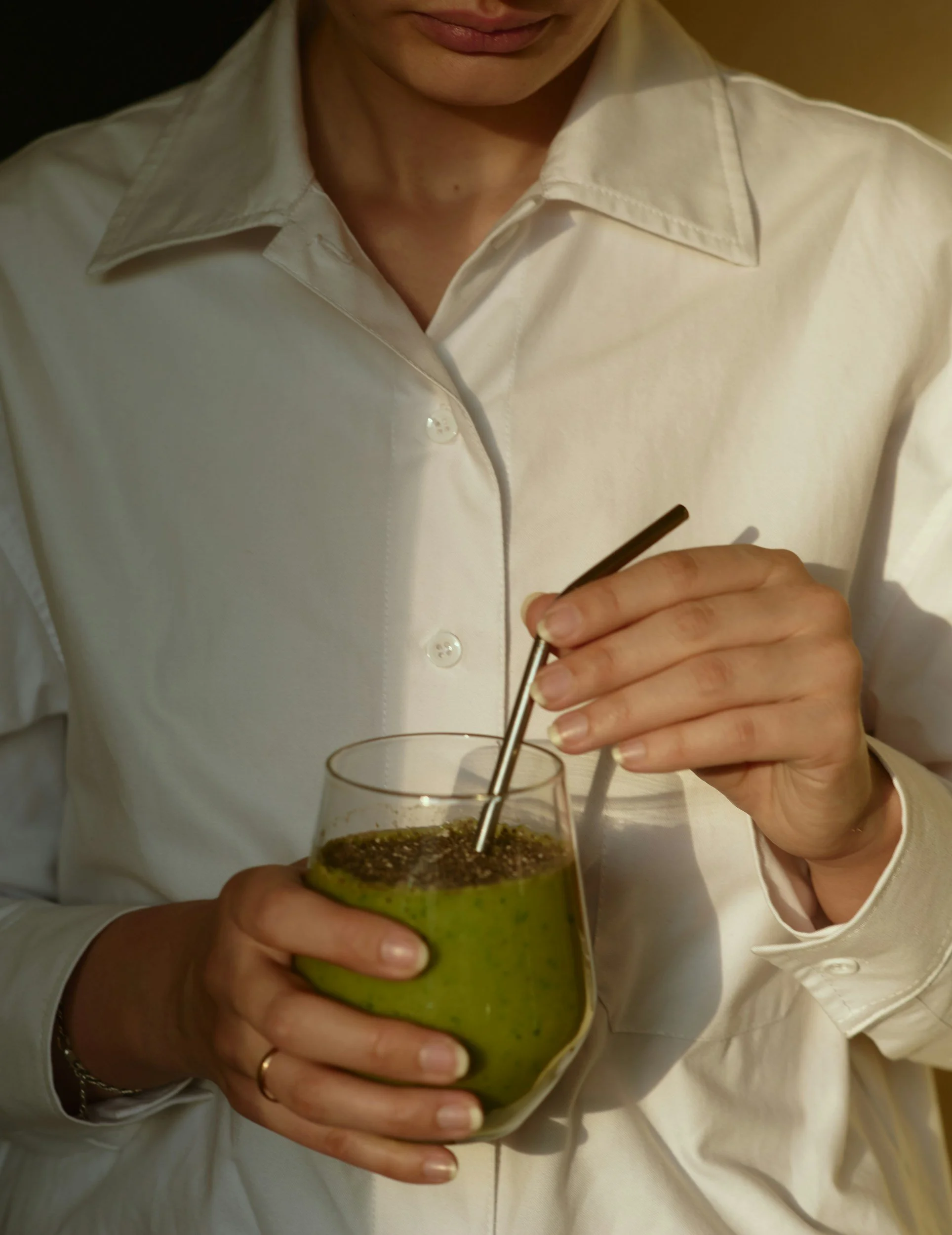
Chrono-Nutrition
Your body processes the same meal differently depending on when you eat it. Not slightly differently — significantly differently. The field of chrononutrition has been quietly building a case that the clock on your wall is a metabolic variable. Here's what the research says, why it matters more for women, and six practical timing guidelines you can apply today.

The Referral That Never Came
What happens when you live with a rare blood disorder for 28 years… and are still being dismissed without even so much of a phone call?
This is a personal story, but also a systemic one. About gender bias in medicine, diagnostic delay, and what it does to women over time.