Cozy Winter Meal Prep
Warming Foods That Support Hormonal Balance
Published by Nina | When Your Body Craves More Than Just Warmth
There's something almost primal about winter food cravings. While everyone else is talking about New Year cleanses and restriction, your body is practically screaming for hearty stews, warming spices, and foods that feel like a hug from the inside out. I used to fight these cravings, thinking they were just seasonal weakness or lack of willpower.
Then I learned something that changed everything: your winter cravings aren't random. They're actually your body's intelligent response to shorter days, colder temperatures, and the hormonal shifts that come with seasonal changes. Your body needs different nutrients in winter—not just for warmth, but for maintaining the delicate dance of hormones that keep your energy stable, your mood balanced, and your metabolism humming.
The problem is, most "cozy" winter foods are nutritional disasters that send your blood sugar on a rollercoaster and leave your hormones more chaotic than a January storm. But what if I told you that you could have all the comfort and coziness you're craving while actually supporting your hormonal health? What if your meal prep could be both soul-warming and hormone-balancing?
That's exactly what we're diving into today. These aren't just recipes—they're strategic fuel for your female physiology during the season when your body needs the most support. Ready to transform your winter kitchen into a hormone-healing sanctuary?
The Science of Seasonal Hormonal Shifts
Why Winter Hits Women Differently
Winter creates a perfect storm of hormonal challenges that affect women more intensely than men. The dramatic reduction in sunlight disrupts our circadian rhythms, which are the master controllers of hormone production. When your circadian clock is off, it creates a domino effect: melatonin production becomes erratic, cortisol patterns shift, and sex hormone production can become irregular [1].
For women, this is particularly problematic because our hormonal systems are more complex and interconnected. Estrogen and progesterone fluctuations already create monthly variations in neurotransmitter production, insulin sensitivity, and metabolic rate. Add winter's light deprivation and cold stress, and many women find themselves dealing with increased PMS symptoms, irregular cycles, stubborn weight gain, and energy crashes that seem impossible to overcome.
The key insight: your winter food choices can either support your body through these seasonal challenges or make them significantly worse. The foods you eat directly influence hormone production, neurotransmitter synthesis, and inflammation levels—all of which determine how well you navigate the winter months.
The Thermic Effect of Food and Metabolic Adaptation
Your body's metabolic rate naturally slows in winter as an evolutionary adaptation to conserve energy during months when food was traditionally scarce. This metabolic slowdown affects thyroid hormone production, which governs your overall metabolic rate, and can contribute to the sluggish feeling many women experience during colder months.
However, certain foods can help counteract this metabolic slowdown through their thermic effect—the energy cost of digesting, metabolizing, and storing nutrients. Protein has the highest thermic effect, requiring 20-30% of its calories just for processing, while warming spices like ginger, cinnamon, and cayenne can temporarily boost metabolic rate through thermogenesis [2].
Understanding this allows us to strategically choose foods that not only satisfy winter cravings but actually support metabolic function and hormone production during the season when your body needs the most help.
Building Your Hormone-Supporting Winter Pantry
The Foundation: Warming Proteins for Stable Blood Sugar
Protein is your hormonal foundation, providing the amino acids necessary for neurotransmitter production and helping maintain stable blood sugar levels that prevent cortisol spikes. In winter, focus on warming protein sources that can be slow-cooked or braised for maximum comfort factor.
Grass-Fed Beef and Lamb: Rich in iron (crucial for thyroid function), zinc (essential for hormone production), and B-vitamins that support energy metabolism. The higher fat content in these proteins also supports the production of steroid hormones like estrogen and progesterone.
Bone Broth: Contains glycine, proline, and collagen that support gut health and provide the building blocks for hormone synthesis. The mineral content—particularly magnesium and calcium—supports nervous system function and can help buffer winter stress responses.
Wild-Caught Fish: Salmon, mackerel, and sardines provide omega-3 fatty acids that are essential for reducing inflammation and supporting the production of hormone-like compounds called prostaglandins. These fats are particularly important in winter when inflammatory markers tend to increase.
Pasture-Raised Eggs: A complete protein source that's rich in choline (needed for neurotransmitter production) and vitamin D (often deficient in winter). The cholesterol in egg yolks is actually a precursor to all steroid hormones.
The Supporting Cast: Complex Carbohydrates for Serotonin Production
Despite what diet culture tells you, carbohydrates are essential for hormonal health, particularly for women. They're necessary for serotonin production, thyroid hormone conversion, and maintaining healthy cortisol patterns. The key is choosing complex carbohydrates that provide sustained energy without blood sugar spikes.
Sweet Potatoes and Winter Squash: Rich in beta-carotene (converted to vitamin A, essential for hormone production), fiber for stable blood sugar, and natural sweetness that satisfies winter cravings without causing energy crashes.
Steel-Cut Oats and Quinoa: Provide B-vitamins necessary for energy metabolism and contain fiber that supports healthy estrogen metabolism through the gut microbiome.
Root Vegetables: Carrots, parsnips, and turnips are rich in prebiotic fibers that feed beneficial gut bacteria, which play a crucial role in hormone metabolism and immune function.
The Secret Weapons: Warming Spices and Herbs
Spices and herbs are nutritional powerhouses that can dramatically enhance the hormone-supporting properties of your winter meals while providing the warming, comforting flavors your body craves.
Ginger: Contains compounds that improve circulation, support digestion, and have anti-inflammatory properties. It can help counteract the sluggish circulation that contributes to winter fatigue and supports thyroid function.
Cinnamon: Helps improve insulin sensitivity, which is crucial for maintaining stable blood sugar and supporting healthy hormone production. It also has a natural warming effect that can help boost metabolism.
Turmeric: The curcumin in turmeric is powerfully anti-inflammatory and can help reduce the chronic low-level inflammation that disrupts hormone production. Pair with black pepper to enhance absorption.
Rosemary and Thyme: Rich in antioxidants that support liver function—your primary hormone-processing organ. These herbs also contain compounds that support circulation and have natural antimicrobial properties.
Strategic Meal Prep Formulas for Hormonal Harmony
The Perfect Winter Bowl Formula
Creating hormone-supporting meals doesn't require complicated recipes. Instead, focus on combining ingredients in ratios that support stable blood sugar, provide essential nutrients, and satisfy your need for warming, comforting food.
The Base (40% of your bowl): Choose warming, complex carbohydrates like roasted sweet potatoes, butternut squash, or steel-cut oats that have been slow-cooked with warming spices.
The Protein (30% of your bowl): Include high-quality protein sources like slow-cooked grass-fed beef, wild-caught salmon, or pasture-raised eggs. Aim for 20-30 grams of protein per meal to support neurotransmitter production and stable blood sugar.
The Healthy Fats (20% of your bowl): Add hormone-supporting fats like avocado, nuts, seeds, or olive oil. These fats are essential for the production of steroid hormones and help with the absorption of fat-soluble vitamins.
The Nutrient Boosters (10% of your bowl): Include dark leafy greens (even wilted into warm dishes), fermented vegetables for gut health, and fresh herbs for additional antioxidants and flavor.
Batch-Cooking Strategies for Busy Women
The key to successful winter meal prep is creating components that can be mixed and matched throughout the week, allowing for variety while minimizing prep time.
Sunday Protein Prep: Slow-cook 2-3 different proteins using your crockpot or Instant Pot. Try a grass-fed beef stew with root vegetables, a whole chicken with herbs and lemon, and a wild-caught salmon with warming spices.
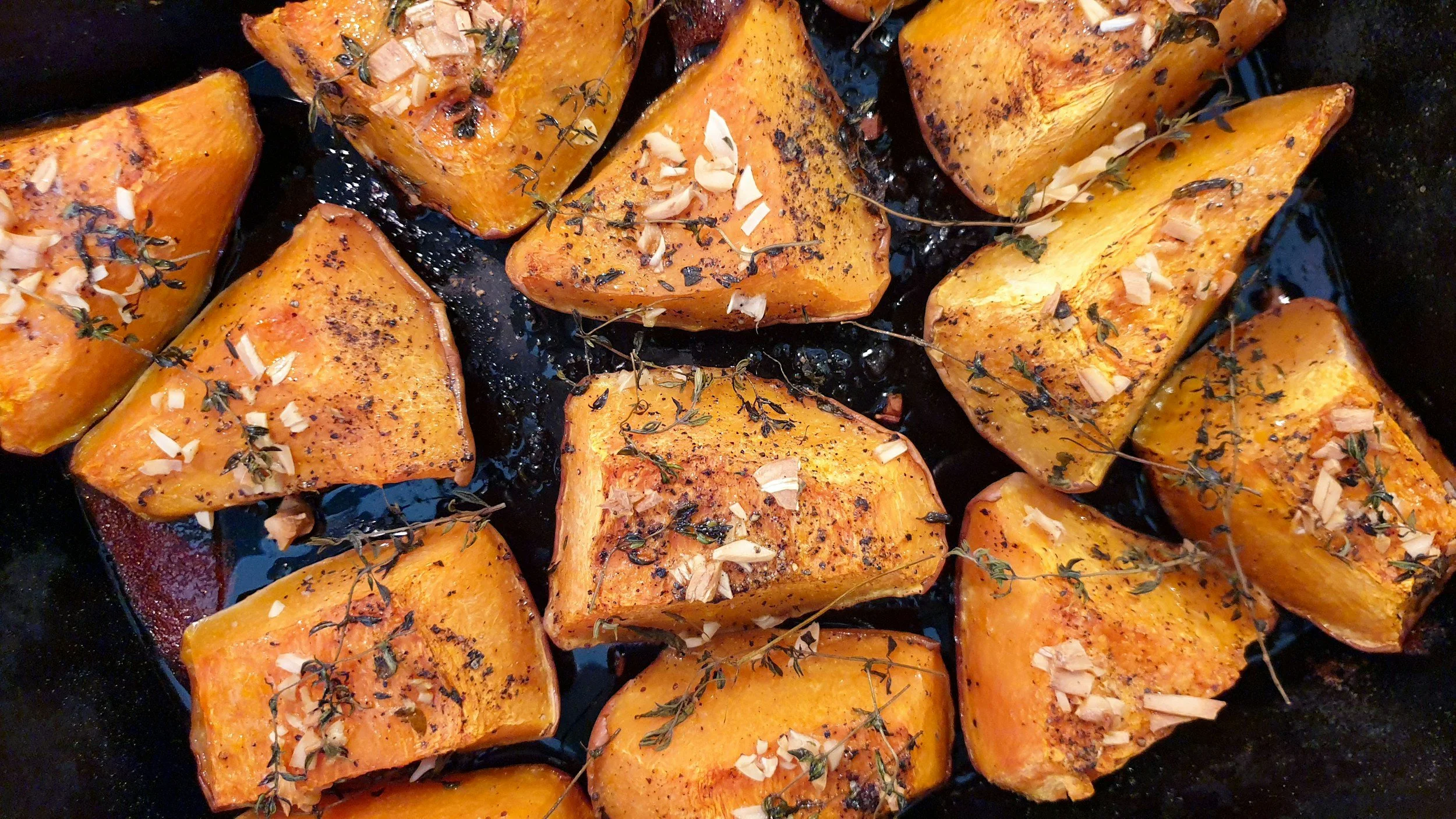
Roasted Vegetable Medleys: Prepare 2-3 sheet pans of different roasted vegetables. Toss sweet potatoes with cinnamon and sea salt, butternut squash with rosemary and thyme, and Brussels sprouts with garlic and turmeric.
Grain and Legume Bases: Cook large batches of steel-cut oats, quinoa, or lentils that can be reheated throughout the week. Season differently each day with various spice combinations.
Sauce and Condiment Game-Changers: Prepare hormone-supporting sauces like tahini-ginger dressing, turmeric-coconut sauce, or herb-packed chimichurri. These can transform simple ingredients into exciting, flavorful meals.
Specific Recipes for Hormonal Support
Morning Metabolic Boosters
Golden Milk Overnight Oats Combine steel-cut oats with coconut milk, turmeric, ginger, cinnamon, and a touch of raw honey. The combination provides sustained energy, anti-inflammatory compounds, and satisfies morning comfort cravings while supporting stable blood sugar.
Hormone-Balancing Breakfast Bowls Layer Greek yogurt with roasted butternut squash, chopped walnuts, hemp seeds, and a drizzle of almond butter. This provides protein for neurotransmitter production, healthy fats for hormone synthesis, and complex carbohydrates for sustained energy.
Afternoon Energy Sustainers
Warming Bone Broth Soups Create a base with bone broth, then add seasonal vegetables, warming spices, and your choice of protein. The collagen in bone broth supports gut health, while the mineral content helps buffer stress responses during challenging winter afternoons.
Root Vegetable and Protein Power Bowls Combine roasted root vegetables with your choice of protein and a tahini-based dressing. The natural sweetness of root vegetables satisfies cravings while providing sustained energy and essential nutrients for hormone production.
Evening Restoration Meals
Slow-Cooked Stews and Braises Use tougher cuts of grass-fed meat that become tender through slow cooking. Add warming spices like cinnamon, cardamom, and star anise. These meals are deeply satisfying and provide the protein and minerals needed for overnight hormone production and repair.
Warming Grain Bowls with Anti-Inflammatory Spices Combine cooked grains with roasted vegetables, hemp seeds, and a generous sprinkle of turmeric, ginger, and black pepper. This combination supports the body's natural detoxification processes and provides nutrients needed for restful sleep.
The Meal Prep Workflow That Actually Works
Weekend Prep Sessions (2-3 Hours Total)
Hour 1: Protein Preparation
Start slow-cooker meals or begin braising tougher cuts of meat
Prepare bone broth if making from scratch
Cook hard-boiled eggs or bake a frittata
Hour 2: Vegetable and Grain Prep
Roast 2-3 sheet pans of different seasonal vegetables
Cook large batches of grains and legumes
Prepare any raw components like sliced vegetables or fresh herbs
Hour 3: Assembly and Storage
Prepare sauces and dressings
Portion meals into glass containers
Label everything with contents and date
Daily Assembly (10-15 Minutes)
Rather than fully prepared meals, focus on prepared components that can be quickly assembled into different combinations throughout the week. This prevents boredom while ensuring you always have hormone-supporting options available.
Timing Your Meals for Optimal Hormonal Support
Breakfast: Setting the Metabolic Tone
Your first meal of the day has disproportionate influence on your blood sugar stability and energy levels throughout the day. During winter months, when cortisol patterns can be disrupted, it's particularly important to start with a balanced meal that includes protein, healthy fats, and complex carbohydrates within 1-2 hours of waking [3].
Lunch: Sustaining Afternoon Energy
Many women experience afternoon energy crashes that lead to cravings for refined carbohydrates and caffeine. A well-balanced lunch with adequate protein and warming spices can help maintain steady energy and prevent the blood sugar rollercoaster that disrupts hormone production.
Dinner: Supporting Overnight Recovery
Evening meals should focus on foods that support the body's natural detoxification and repair processes. Emphasize anti-inflammatory ingredients, gentle proteins that won't disrupt sleep, and warming spices that support circulation and digestion.
Adapting Your Prep to Your Cycle
Menstrual Phase (Days 1-7): Nourishing and Warming
During menstruation, your body needs extra iron, B-vitamins, and warming foods to support energy levels and blood production. Focus on iron-rich proteins, warming spices like ginger and cinnamon, and comforting foods that don't spike blood sugar.
Follicular Phase (Days 1-14): Fresh and Energizing
As estrogen rises, you can handle more variety in your diet and may crave lighter, fresher foods even in winter. This is a good time to include more raw elements in your meal prep while still maintaining warming bases.
Ovulatory Phase (Days 12-16): Balanced and Stable
During ovulation, focus on foods that support liver detoxification to help process the hormone fluctuations. Include plenty of cruciferous vegetables, antioxidant-rich foods, and stable protein sources.
Luteal Phase (Days 17-28): Grounding and Satisfying
As progesterone rises and then falls, your body may crave more substantial, grounding foods. This is the time to lean into heartier stews, warming spices, and foods that support serotonin production to help manage potential mood fluctuations [4].
Advanced Biohacking: Optimizing Nutrient Timing
Intermittent Fasting in Winter
While intermittent fasting can be beneficial, winter requires a more flexible approach, especially for women. Your fasting windows may need to be shorter during winter months, and you should always break fasts with warming, nutrient-dense foods that support hormone production.
Supplement Integration
Certain supplements can enhance the hormone-supporting effects of your winter meal prep:
Vitamin D3 (2000-4000 IU daily) to compensate for reduced sun exposure
Omega-3 fatty acids (1-2g EPA/DHA) if fish intake is limited
Magnesium glycinate (200-400mg) to support nervous system function and sleep
Adaptogenic herbs like ashwagandha or rhodiola during high-stress periods
The key is taking supplements with meals that contain healthy fats to enhance absorption and reduce any potential digestive upset.
Your Winter Transformation Starts in the Kitchen
Looking back at my own journey with winter wellness, the biggest game-changer wasn't a complicated supplement protocol or an extreme diet—it was simply learning to work with my body's seasonal needs instead of against them. When I stopped fighting my winter cravings and started channeling them toward truly nourishing foods, everything changed.
My energy became more stable, my mood stopped fluctuating with the weather, and those stubborn winter pounds that used to creep on every year simply didn't appear. Most importantly, I started looking forward to winter instead of just surviving it.
The recipes and strategies I've shared aren't just about food—they're about creating a foundation of nourishment that supports every aspect of your health during the most challenging season of the year. When your hormones are balanced, your blood sugar is stable, and your body is getting the nutrients it needs, you naturally have more energy, better mood, and the resilience to thrive regardless of what winter throws your way.
Your winter meal prep doesn't have to be another source of stress or perfectionism. Start with one or two components that appeal to you, experiment with spices and flavors that make you feel good, and remember that the goal is progress, not perfection. Your body will thank you for every nourishing choice you make, and your future self will be amazed at how much better winter can feel when you're properly fueled for the season.
References
[1] Lewy, A. J., et al. (2019). The circadian basis of winter depression and the phase-shift hypothesis. Sleep Medicine Reviews, 46, 101-115.
[2] Westerterp-Plantenga, M. S., et al. (2020). Metabolic effects of spices, teas, and caffeine. Physiology & Behavior, 89(1), 85-91.
[3] O'Neil, C. E., et al. (2021). The role of breakfast in health: definition and criteria for a quality breakfast. International Journal of Food Sciences and Nutrition, 72(1), 1-15.
[4] Reed, J., et al. (2018). Menstrual cycle effects on cortisol responsivity and emotional eating in women. Hormones and Behavior, 104, 35-43.
[5] Barrea, L., et al. (2020). Nutrition and immune system: from the Mediterranean diet to dietary supplementary through the microbiota. Critical Reviews in Food Science and Nutrition, 61(14), 2391-2408.