Easter Lilies and Hormonal Disruption
Spring Plants, Fragrances, and Endocrine Health
Every year around Easter, I find myself in the same trap. I walk into a store for eggs and bread, and suddenly I'm surrounded by the most gorgeous pastel display—lilies, hyacinths, tulips, all those picture-perfect spring blooms. The fragrance hits immediately, that sweet, heavy floral scent that screams "spring is here!" And for about thirty seconds, I'm tempted to load up my cart and turn my apartment into a botanical wonderland.
Then I remember what I know now: that intoxicating smell isn't just fragrance. It's a chemical cocktail that my endocrine system really doesn't need. Those beautiful flowers, the scented candles shaped like bunnies, the "fresh linen" cleaning sprays I'm supposed to use for my spring cleaning—they're all loaded with compounds that can mess with my hormones in ways that are subtle but significant.
I'm not trying to be a buzzkill. I love spring. I love flowers. But after dealing with my own hormonal issues—stubborn acne, irregular cycles, energy crashes that felt like hitting a wall—I started paying attention to what was actually in my environment. Turns out, the spring season comes with its own unique set of endocrine disruptors that most of us have never thought twice about. And once you see it, you can't unsee it.
So let's talk about what's actually happening when you bring those Easter lilies home, and what you can do about it without living in a bunker.
The Easter Lily Problem: Fragrance and Hormone Disruption
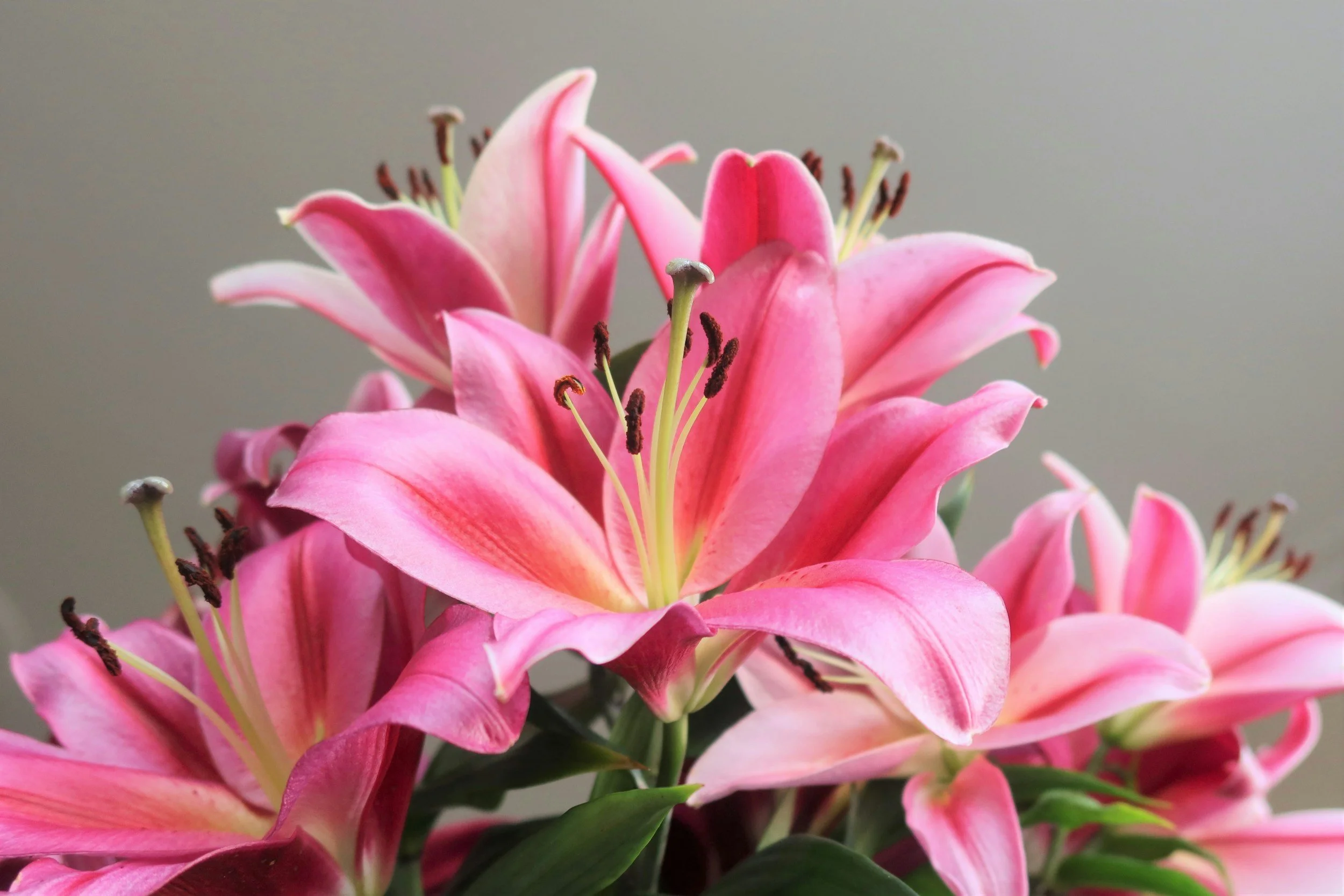
Easter lilies (Lilium longiflorum) are iconic for a reason—they're stunning, they smell incredible, and they show up everywhere this time of year. But that intense fragrance? It's a complex mixture of volatile organic compounds (VOCs), including terpenes, benzyl alcohol, and other aromatic molecules that can trigger headaches, respiratory irritation, and in some people, hormonal responses.
Here's the thing most people don't realize: fragrance compounds can act as xenoestrogens—synthetic chemicals that mimic estrogen in the body. When you inhale these compounds, they don't just disappear. They enter your bloodstream through your lungs, and some of them can bind to estrogen receptors, potentially disrupting normal hormonal signaling[1]. For women who are already dealing with estrogen dominance—think heavy periods, breast tenderness, mood swings, weight gain around the hips and thighs—adding more estrogenic compounds to the mix is like pouring gasoline on a fire.
The issue isn't just the natural fragrance from the flowers themselves. Many commercially grown Easter lilies are treated with pesticides, fungicides, and growth regulators during cultivation. These chemicals can off-gas from the plant and soil even after you bring them home. Some of these agricultural chemicals are known endocrine disruptors, including organophosphates and neonicotinoids, which have been linked to thyroid dysfunction and reproductive issues[2].
And if you have cats? Easter lilies are extremely toxic to them—even small amounts can cause kidney failure. Just another reason to think twice before bringing them into your home.
The Fragrance Industrial Complex: Spring Scents That Aren't What They Seem
Beyond the flowers themselves, spring is marketed to us as a scent. Walk into any store in March or April and you're bombarded with "spring rain," "fresh linen," "blooming garden," and "Easter basket" candles, air fresheners, and cleaning products. These scents are almost never derived from actual plants. They're synthetic fragrance blends—often containing dozens or even hundreds of individual chemicals that manufacturers aren't required to disclose.
The term "fragrance" or "parfum" on an ingredient label is a regulatory loophole that allows companies to hide proprietary blends without listing individual components. This matters because many common fragrance chemicals are endocrine disruptors. Phthalates, for example, are frequently used as fragrance fixatives—they help scents last longer. But phthalates are potent anti-androgens, meaning they block the action of testosterone and can interfere with progesterone production[3].
For women, this can manifest as:
Irregular menstrual cycles
Increased PMS symptoms
Low libido
Difficulty building or maintaining muscle mass
Brain fog and fatigue
Fertility challenges
Phthalates are lipophilic—they're stored in fat tissue—which means repeated exposure leads to bioaccumulation over time. Your body can't just detox them overnight. And here's the kicker: phthalates are everywhere during spring cleaning season. They're in scented trash bags, laundry detergents, fabric softeners, all-purpose cleaners, and those plug-in air fresheners that promise to make your home smell like a meadow.
Synthetic musks are another category of fragrance chemicals commonly found in spring products. Compounds like galaxolide and tonalide have been detected in human breast milk, blood, and adipose tissue. They're persistent, bioaccumulative, and have demonstrated estrogenic activity in laboratory studies[4]. When you're spraying "fresh breeze" cleaner all over your kitchen, you're not just cleaning—you're coating surfaces with endocrine-disrupting residues that you'll continue to inhale and absorb through your skin.
Conventional Cut Flowers: Pretty Poisons
The cut flower industry is one of the least regulated agricultural sectors when it comes to pesticide use. The vast majority of cut flowers sold in the U.S. are imported from countries like Colombia, Ecuador, and Kenya, where pesticide regulations are less stringent than domestic standards. Workers in these flower farms are exposed to massive amounts of toxic chemicals—and residues remain on the flowers you bring into your home.
Studies have found pesticide residues on up to 90% of commercially grown cut flowers, including insecticides, fungicides, and herbicides[5]. Some of these chemicals are banned for use on food crops in the U.S. but are perfectly legal for ornamental flowers. You're not eating the flowers, after all—except you're still exposed through inhalation and dermal contact when you handle them, trim stems, or simply sit near them as the chemicals off-gas.
Common pesticides found on cut flowers include:
Carbendazim: A fungicide with anti-androgenic effects that can disrupt reproductive hormones
Chlorpyrifos: An organophosphate insecticide linked to thyroid disruption and developmental issues
Methomyl: A carbamate insecticide that affects the nervous system and has been associated with endocrine disruption
These aren't theoretical concerns. When you buy a conventional bouquet of tulips, daffodils, or roses and place them in your bedroom or kitchen, you're creating a low-level chemical exposure environment. For someone who's already hormonally sensitive—whether due to PCOS, endometriosis, thyroid issues, or perimenopause—this can be enough to tip the scales.
Spring Cleaning Products: The Seasonal Toxic Load
Spring cleaning is supposed to be this fresh-start ritual, right? Open the windows, clear out the clutter, scrub everything down. Except the products marketed for spring cleaning are often some of the most toxic things you can bring into your home.
Multi-surface cleaners, glass cleaners, bathroom sprays, floor polishes—most conventional versions contain a mix of endocrine disruptors, respiratory irritants, and carcinogens. Let's break down some of the worst offenders:
Triclosan and Triclocarban: These antibacterial agents show up in "antibacterial" surface cleaners and hand soaps. Both are endocrine disruptors that interfere with thyroid hormone function and may contribute to antibiotic resistance. The FDA banned them from hand soaps in 2016, but they're still allowed in other cleaning products.
Quaternary Ammonium Compounds (Quats): Found in disinfectant sprays and wipes, quats are linked to reproductive toxicity, skin irritation, and respiratory issues. They're also environmental pollutants that don't break down easily.
2-Butoxyethanol: A common ingredient in glass cleaners and all-purpose sprays, this solvent can cause liver and kidney damage with repeated exposure and has been shown to affect red blood cell production.
Ammonia and Bleach: Separately, these are harsh but relatively straightforward chemicals. Mixed together—which people sometimes do accidentally during spring cleaning—they create toxic chloramine gas that can cause serious respiratory damage.
The cumulative effect of using multiple conventional cleaning products in one day, especially in enclosed spaces, creates a significant toxic burden. Your liver and detoxification pathways have to process all of these chemicals, which diverts resources away from metabolizing your own hormones. If your Phase 2 liver detox is already sluggish (common in women with MTHFR mutations or those low in key nutrients like glutathione), this chemical overload can lead to estrogen dominance and increased hormonal symptoms.
Creating a Low-Tox Spring Home: Practical Swaps
Okay, so now that I've thoroughly depressed you, let's talk solutions. You don't have to live in a sterile bubble or give up on making your home feel fresh and seasonal. You just need to be strategic about what you bring in.
Flowers and Plants
Instead of conventional cut flowers: Choose organic or pesticide-free flowers when possible. Local farmers' markets often have seasonal blooms grown without heavy pesticide use. If you're buying from a grocery store, look for certifications like "Veriflora" or "Rainforest Alliance," which indicate better growing practices.
Better yet, choose potted plants: Living plants actually improve indoor air quality by filtering VOCs. Good low-maintenance options include pothos, snake plants, and spider plants. If you want spring vibes, potted herbs like rosemary, lavender, and mint are fragrant but much gentler than heavily scented flowers—plus you can use them in cooking.
For Easter lilies specifically: If you love the look, consider silk or dried alternatives for decoration. If you must have real lilies, keep them in a well-ventilated area away from your bedroom and main living spaces, and definitely away from pets.
Fragrance Alternatives
Ditch synthetic air fresheners entirely: This includes plug-ins, aerosol sprays, scented candles made with synthetic fragrances, and fragrance beads. None of them are worth the hormonal disruption.
Use essential oils mindfully: I say mindfully because essential oils aren't risk-free either. They're highly concentrated plant compounds, and some (like lavender and tea tree oil) have demonstrated weak estrogenic or anti-androgenic effects in high doses. That said, used sparingly in a diffuser or mixed into cleaning products, they're vastly better than synthetic fragrances. Good spring options: lemon, grapefruit, eucalyptus, and rosemary.
Simmer pots: This is old-school but effective. Simmer water on the stove with lemon slices, fresh herbs, and spices like cinnamon or cloves. Your home smells amazing, and there's zero synthetic chemical exposure.
Open your windows: Revolutionary concept, I know. Fresh air is the best air freshener. Spring weather is perfect for this.
Cleaning Products
Multipurpose cleaner: Mix equal parts water and white vinegar in a spray bottle. Add 10-15 drops of essential oil if you want fragrance. This works for counters, glass, bathrooms—pretty much everything except natural stone.
Scrubbing paste: Baking soda with a little water or castile soap makes an excellent gentle abrasive for sinks, tubs, and tile.
Floor cleaner: Hot water with a splash of castile soap or a few drops of essential oil. That's it.
Disinfecting: If you need actual disinfection (not just cleaning), use hydrogen peroxide or alcohol-based solutions. Let them sit for the appropriate contact time to actually kill pathogens.
Branch Basics, Force of Nature, or Blueland: If DIY isn't your thing, these are solid non-toxic cleaning brands that actually work. They're more expensive upfront but worth it if you value convenience.
Laundry
Fragrance-free detergent: Brands like Molly's Suds, Dropps, or Seventh Generation Free & Clear are good options. If you're washing spring bedding and want a fresh scent, add a few drops of essential oil to wool dryer balls.
Skip fabric softener and dryer sheets entirely: Both are loaded with quats and synthetic fragrance. Wool dryer balls reduce static and soften clothes without any chemicals.
What About "Natural" or "Green" Labels?
Here's where things get tricky. "Natural," "eco-friendly," "green," and even "hypoallergenic" are not regulated terms. Companies can slap these labels on products that still contain endocrine disruptors. You have to actually read ingredient lists.
Red flags to avoid:
"Fragrance" or "parfum" anywhere on the label
Ingredients you can't pronounce or that are listed as "proprietary blend"
Anything with "antibacterial" claims (usually contains triclosan or quats)
Products with long lists of synthetic preservatives like parabens, BHT, or BHA
Look for:
Transparent ingredient lists with recognizable plant-based ingredients
Third-party certifications (EWG Verified, MADE SAFE, Leaping Bunny for cruelty-free)
Companies that voluntarily disclose all fragrance components
The Bigger Picture: Reducing Total Toxic Load
No single product is going to make or break your hormonal health. But the cumulative effect of multiple low-level exposures—Easter lilies in your bedroom, synthetic air freshener in your bathroom, fragranced laundry detergent on your sheets, conventional cleaning products throughout your home—adds up.
Your body's detoxification capacity is finite. Your liver can only process so many foreign chemicals before it gets overwhelmed. When that happens, hormone metabolism suffers. Estrogen doesn't get broken down efficiently. Thyroid hormone conversion slows. Cortisol patterns get dysregulated. You start feeling tired, moody, bloated, and you can't figure out why.
Reducing your toxic load isn't about perfection. It's about reducing unnecessary exposures where you can so that your body has more capacity to handle the environmental toxins you can't control—pollution, pesticides in food, chemicals in tap water, etc.
Supporting Your Body's Detox Pathways
While you're cleaning up your home environment, it's also worth supporting your body's natural detoxification processes:
Adequate protein: Your liver needs amino acids (especially glycine, taurine, and glutamine) to conjugate and eliminate toxins. Aim for at least 100g of protein daily if you're active.
Cruciferous vegetables: Broccoli, cauliflower, Brussels sprouts, and cabbage contain glucosinolates that support Phase 2 liver detox—the same pathway that processes excess estrogen.
Glutathione support: This is your body's master antioxidant. You can boost it by eating sulfur-rich foods (garlic, onions, eggs), taking NAC (N-acetylcysteine), or using a liposomal glutathione supplement.
Hydration and fiber: You need both to actually eliminate toxins through urine and stool. If you're not pooping at least once daily, toxins get reabsorbed.
Sauna or hot baths: Sweating is a legitimate detox pathway, especially for fat-soluble chemicals like phthalates. A few sauna sessions per week can enhance elimination.
So here's where I've landed: my version of spring cleaning now looks completely different than it used to. I'm not buying those massive Easter lily arrangements anymore, no matter how gorgeous they are. Instead, I have a few pots of fresh herbs on my windowsill—basil, thyme, mint—that smell incredible without the chemical baggage. When I deep-clean, I use vinegar, baking soda, and castile soap. My home smells like lemons and eucalyptus, not "Spring Meadow Fantasy #47."
I'm not going to pretend this didn't take some adjustment. There was a learning curve. I missed my scented candles for a while. But once I made the switch and started feeling genuinely better—clearer skin, more stable energy, cycles that actually made sense—I couldn't go back.
Spring is supposed to be about renewal and growth, not about quietly poisoning ourselves with products we've been conditioned to think are harmless. So this year, I'm leaning into a version of spring that actually supports my body instead of working against it. Fresh air, real plants, simple cleaning products, and a whole lot less synthetic fragrance.
That feels like the kind of spring cleaning that's actually worth doing.
References
[1] Goodson, W. H., Lowe, L., Carpenter, D. O., et al. (2015). Assessing the carcinogenic potential of low-dose exposures to chemical mixtures in the environment: the challenge ahead. Carcinogenesis, 36(Suppl 1), S254-S296.
[2] Mnif, W., Hassine, A. I., Bouaziz, A., Bartegi, A., Thomas, O., & Roig, B. (2011). Effect of endocrine disruptor pesticides: a review. International Journal of Environmental Research and Public Health, 8(6), 2265-2303.
[3] Hlisníková, H., Petrovičová, I., Kolena, B., Šidlovská, M., & Sirotkin, A. (2020). Effects and mechanisms of phthalates' action on reproductive processes and reproductive health: A review. International Journal of Environmental Research and Public Health, 17(18), 6811.
[4] Witorsch, R. J., & Thomas, J. A. (2010). Personal care products and endocrine disruption: A critical review of the literature. Critical Reviews in Toxicology, 40(sup3), 1-30.
[5] Ruiz, J. F., Rubio, M. A., & Lara, F. J. (2020). Pesticide residues in ornamental flowers: An overlooked human and environmental exposure. Environmental Pollution, 267, 115542.